

Thank you
CHECK OUT THE LATEST ARTICLES

Growing older is a quiet unfolding, filled with change, both expected and unforeseen. Some shifts are shared and spoken about; others, more subtle, are carried alone.

In the first part of this series, we explored chosen family and the role that belonging can play in healing. We looked at the importance of connection, the reality of grief and gratitude, and the ways meaningful relationships can become sources of safety and support.

Many people grow up believing that “family” is supposed to automatically feel safe, but for many folks, this just isn’t true. For many people, especially queer/trans folks, neurodivergent folks, and trauma survivors, belonging is something that they’ve had to find and build intentionally.

Blended families are one of the most common family structures in North America today. Yet despite their prevalence, they face a distinct set of relational challenges that biological families typically do not encounter in the same way.
St. Patrick's Day is just around the corner, and while it's a time of celebration, music, and community for many, it can also be one of the most challenging days of the year for people in recovery or those who are struggling with substance use.
Some of the clinicians here at Calming Tree work full-time with us, while many others also work at other organizations and agencies in roles that look very different from sitting across from you in a therapy room.

Somewhere between the news alert about the latest humanitarian crisis, the climate report you skimmed but didn't fully read, and the argument you watched unfold on your social media feed this morning, something happened.

In a world that glorifies productivity, it’s easy to feel guilty for slowing down. We’re conditioned to measure our worth by results, by how much we accomplish, how busy we stay, how visible our effort is.

Whether we keep having the same fight with our partner, or are chronically arguing with our sibling, or stuck in a cycle of not talking about anything real with people who matter to us, conflict is one of the biggest reasons people seek help for their relationship.

As parents, we want the very best for our children. We want them to feel loved, heard, and supported. But in today’s world of modern parenting, a growing theme in children’s counseling is emerging: many parents are struggling to say “no.”

Getting help for mental health shouldn’t be so hard, but for many in our community, it still is. We know that in Canada there continues to be a need for access to mental health service

Friendship is often regarded as a mainstay of our emotional well-being. It's a connection that enriches our lives, provides support in times of need, celebrates our wins, and as a result contributes to our overall happiness.

So, you just gave birth! Congrats, mama! 🎉 Now, you may be wondering why you suddenly feel like a whole new person (and not just because of the sleepless nights and constant diaper changes). If you've noticed some changes in how you think, feel, and even approach everyday tasks, guess what?

Our expectations and hopes do not always turn out to be our reality. This has been the case for both of my maternity leaves. In this blog, I hope to focus on the importance of modifying the expectations that we have of ourselves and how we can cope when things are not what we anticipated.

Mentors play a crucial role in our professional development, offering guidance and inspiration as we navigate our careers. They are seasoned individuals whom we admire, respect, and seek to emulate. However, what happens when we discover that our mentor isn't quite the person we believed them to be?

Welcome to a journey towards self-compassion, a vital practice often overlooked in our busy lives. As a psychotherapist, I've witnessed firsthand the transformative power of treating ourselves with the same kindness we readily offer to others.








As a species, we all experience emotions and emotions have a function in our body and life. While emotions can be pleasurable and invite connection with others, they can also be uncomfortable and negatively influence our thoughts and reactions. Although our children may be little, the intensity of their emotions can be overwhelming to not only them but to you as their parent. Helping children manage their emotions and giving them tools to put them in the driver’s seat of their thoughts and reactions will support them in learning to cope and adjust their responses more effectively.
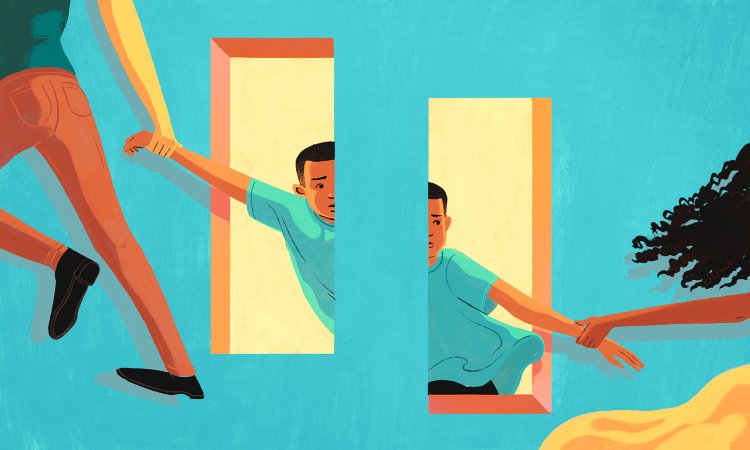
Separation/divorce is a very difficult life event that if it occurs, impacts all of those involved. Ending a relationship when there are children can bring about a plethora of changes and transitions that both children and adults need to work through. This could mean a change in residence, leaving behind a familiar home, friends, and school. It could involve adjustments to a blending of families and the navigation of new family roles and norms.

We have often been asked “when should someone consider counselling services?” Just like most things in life, there is rarely a one-size-fits-all formula to initiate counselling and we would not want someone to feel “shoulded” into that decision. Realistically, the answer to when to consider counselling can be complicated, situational and personal.
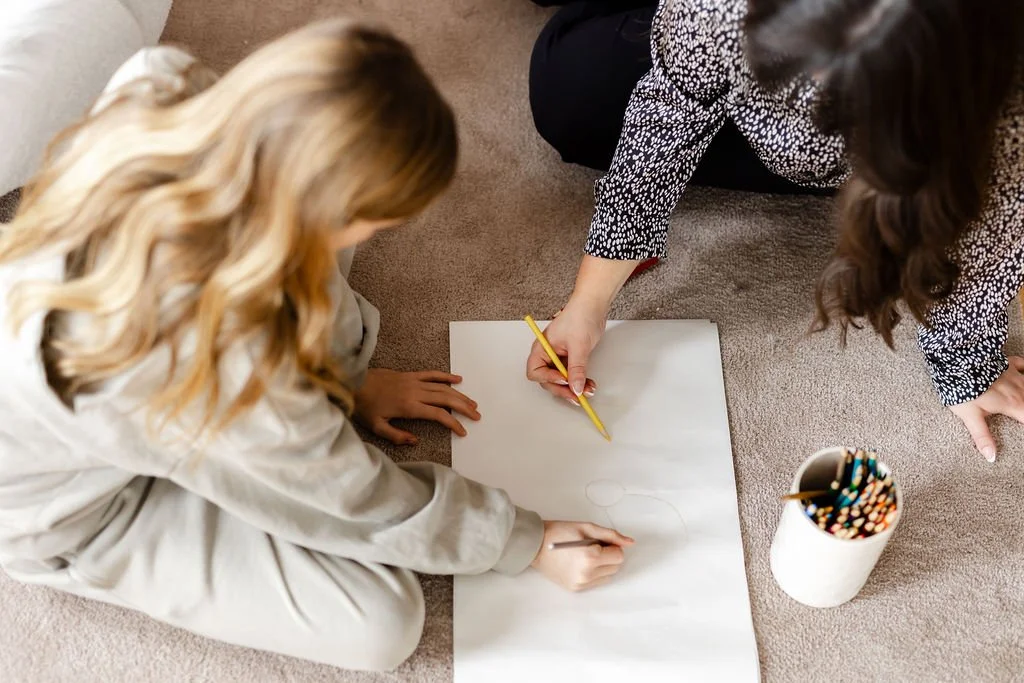
It may seem that everyday we are faced with another daily news cycle filled with tragedy. Sadly, it is not uncommon to be faced with horrific news stories, both here at home, across the country or around the globe and it can be difficult to reconcile our thoughts and feelings on that.

We do not talk about loss in our culture and yet every day we experience it in some big or small way. Whether our teenager is moving into residence, we are moving to a new city or we are leaving a job for a new one navigating loss is a common human experience.